
Why Didn't Our Ancestors Smile in Photos?


It's serious business, folks.
What would the millions of people taking selfies each day think of the 19th-century photographs in which their ancestors appear grim, unsmiling, or staring blankly into the camera? Conversely, what would those ancestors think of today's endless stream of poses, pouts, filters, and candid snapshots taken with devices that fit in a pocket?
It's a question genealogists hear often:
Why didn't people smile in old photographs?
The Myths We've All Heard
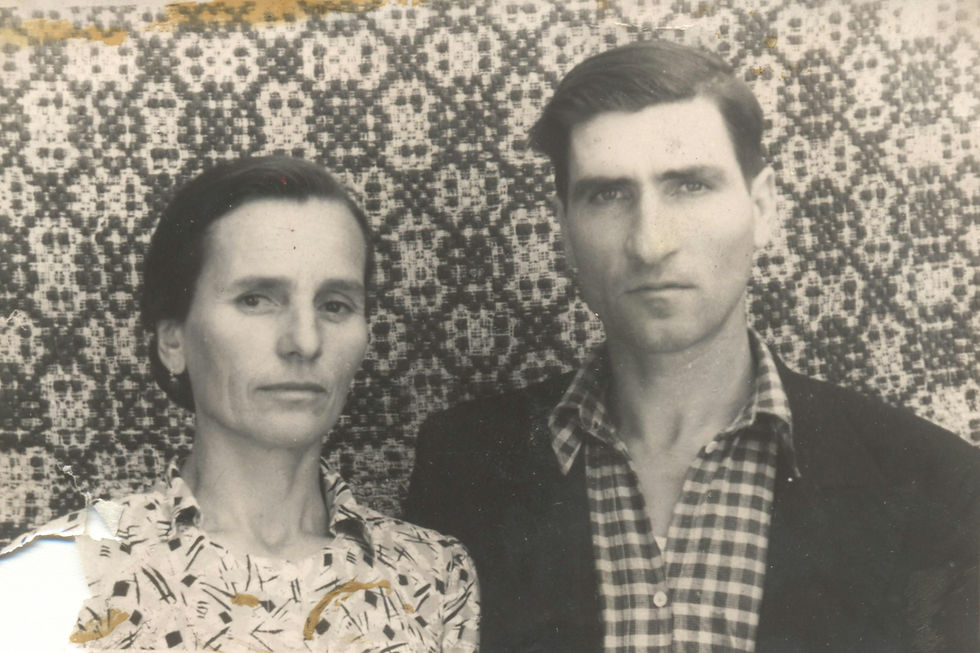
Over the years, many explanations have circulated:
It took too long to take a photograph.
People had bad teeth.
Our ancestors were simply more serious.
Smiling would blur the image.
While there's a grain of truth in some of these ideas, historians say the real answer is much more interesting.
Photography Was a Special Occasion
According to Smithsonian Magazine, early commercial photographic exposures generally lasted only about 5 to 15 seconds—long enough to require stillness, but not the several minutes many people imagine.
The bigger reason was that photography was expensive and uncommon. For many families, this might be the only portrait they would ever have made. Rather than treat it casually, they approached it much like commissioning a painted portrait.
Ann Shumard, senior curator of photographs at the National Portrait Gallery, notes that photographers borrowed heavily from the traditions of portrait painting, where subjects were expected to appear composed, dignified, and respectable.
Smiling Wasn't Considered Proper

The Time Magazine article "Why People Rarely Smiled in Early Photographs" explains that Victorian culture valued restraint and self-control. Broad smiles were often associated with humor, drunkenness, childishness, or a lack of refinement—not qualities people wanted preserved in a formal portrait.
Think about it: if your family was paying a considerable sum for a photograph that might last generations, you'd probably want to look your best according to the standards of the day.
Kodak Changed Everything
Photography became much more casual after George Eastman introduced the Kodak camera in 1888. Families no longer had to visit a professional studio every time they wanted a picture.
As cameras became more affordable and easier to use, people began photographing birthdays, vacations, picnics, holidays, and everyday life. Candid moments replaced formal poses, and smiles became increasingly common.
What Genealogists Can Learn

When you examine your own family photographs, remember that facial expressions reflect the customs of the time as much as the personalities of the people.
A solemn face doesn't mean your ancestors were unhappy. More often, they were presenting themselves with the dignity, respectability, and permanence expected of a formal portrait.
Their expressions tell us just as much about the culture they lived in as the clothes they wore or the studio backdrop behind them.
Learn More
Smithsonian Magazine: "The Serious Reason Why We Don't Smile in Old Photographs"
The Public Domain Review: "The Serious and the Smirk: The Smile in Portraiture"


The point about long exposure times making a natural smile hard to hold really puts those serious ancestor portraits in perspective. I’ve been using https://aiadcreatives.pro/ai-ad-creatives-examples
The question about why our ancestors didn’t smile in photos makes old portraits feel much more human—and mysterious. I’ve been using https://aianime.info/ai-anime-art-generator-from-text
The contrast between today’s big smiles and our ancestors’ serious photo poses is fascinating—camera exposure times and social norms really changed the look of portraits. I’ve been using https://kalodata.pro/kalodata-pricing
The title raises a fascinating point about how long photo sessions and social conventions shaped those serious expressions. I’ve been using https://openartai.pro
https://spielautomatenechtgeld.com reading about how Kodak's 1888 camera turned photography from a formal event into an everyday habit made me realize how much of what we call personality in old portraits is really just etiquette. The point that a 5 to 15 second exposure wasn't actually the reason for the serious faces stuck with me, since I'd always repeated that myth myself. It makes me want to go back through my grandmother's album and look at the stiff poses differently.